One tire is damaged, and the exact model isn't available. Can you fit a different brand and leave the other three in place? Sometimes there's a suitable option, but the name on the sidewall is only a starting point. You also need to compare specifications and the condition of the remaining tires.
A tire can fit the wheel yet behave differently enough to affect handling. Tread depth and drivetrain requirements can limit replacement choices too. Before buying one tire, have the whole set checked. That gives you a clearer answer than assuming different brands are always acceptable or always a problem.
Matching Tire Characteristics Goes Beyond The Brand Name
Two brands can offer tires with similar specifications, while two models from the same brand can behave very differently. An all-season touring tire and a summer performance tire aren't equivalent simply because their sidewalls display the same manufacturer. Their grip and response change differently with weather and temperature.
Matching all four tires in model and specification is generally the clearest way to maintain consistent behavior, subject to the vehicle's intended fitment. If that isn't possible, the replacement needs careful evaluation. The goal is compatible handling and performance, not just four tires that look approximately alike.
Tire Size And Ratings Must Suit The Vehicle
The replacement must meet the vehicle's specified size, load capacity, and other applicable requirements. Some vehicles use different front and rear sizes from the factory, so matching every sidewall number across all four corners would actually be wrong. Follow the prescribed arrangement for that particular model.
Construction and service ratings belong in the comparison too. A suitable diameter doesn't make a tire with inadequate load capacity acceptable. The shop should confirm the intended fitment and any manufacturer restrictions before offering alternatives, especially when the vehicle has performance-oriented equipment or a tire arrangement that limits rotation options.
Different Tire Tread Types Can Change Wet Road Handling
Tread design and rubber compound influence how a tire responds in rain, heat, and cooler conditions. Mixing substantially different performance categories can make the front and rear of the vehicle react differently. That difference may be most apparent during an emergency maneuver or on a wet road rather than ordinary dry commuting.
Tread depth is another part of the comparison. A new tire beside a heavily worn one can create uneven grip even if both are the same model. Around Marietta, Kennesaw, and Woodstock, rainfall makes it worth checking remaining wet-weather performance before deciding one new tire is enough.
AWD Tire Requirements Can Limit Single-Tire Replacement
Some all-wheel-drive systems limit differences in tire circumference or tread depth. Tires with different rolling characteristics can cause the drivetrain to work in ways it wasn't designed to tolerate. A new tire and three worn tires may exceed the allowable difference even when their printed sizes match.
There's no single tread-depth allowance that applies to every AWD vehicle. Consult the manufacturer's requirements and measure the current tires. Depending on your findings and approved options, you may need to replace more than one tire. Base the decision on the system's limits rather than a blanket rule for every AWD car.
Replacing Two Tires Requires A Suitable Placement Plan
When a vehicle permits replacing only two tires, tire manufacturers generally recommend placing the pair with better tread on the rear to support wet-road stability. That recommendation can surprise drivers who expect the newest tires to belong on the driven wheels. The vehicle's specified fitment and instructions still need to be followed.
The remaining pair must be suitable for continued use. Severe wear, damage, age-related deterioration, or incompatible specifications may make a two-tire purchase the wrong choice. Ask the technician to explain the full arrangement, including any rotation restrictions, instead of choosing positions based only on where the original damage occurred.
Check The Remaining Tires Before Mixing Brands
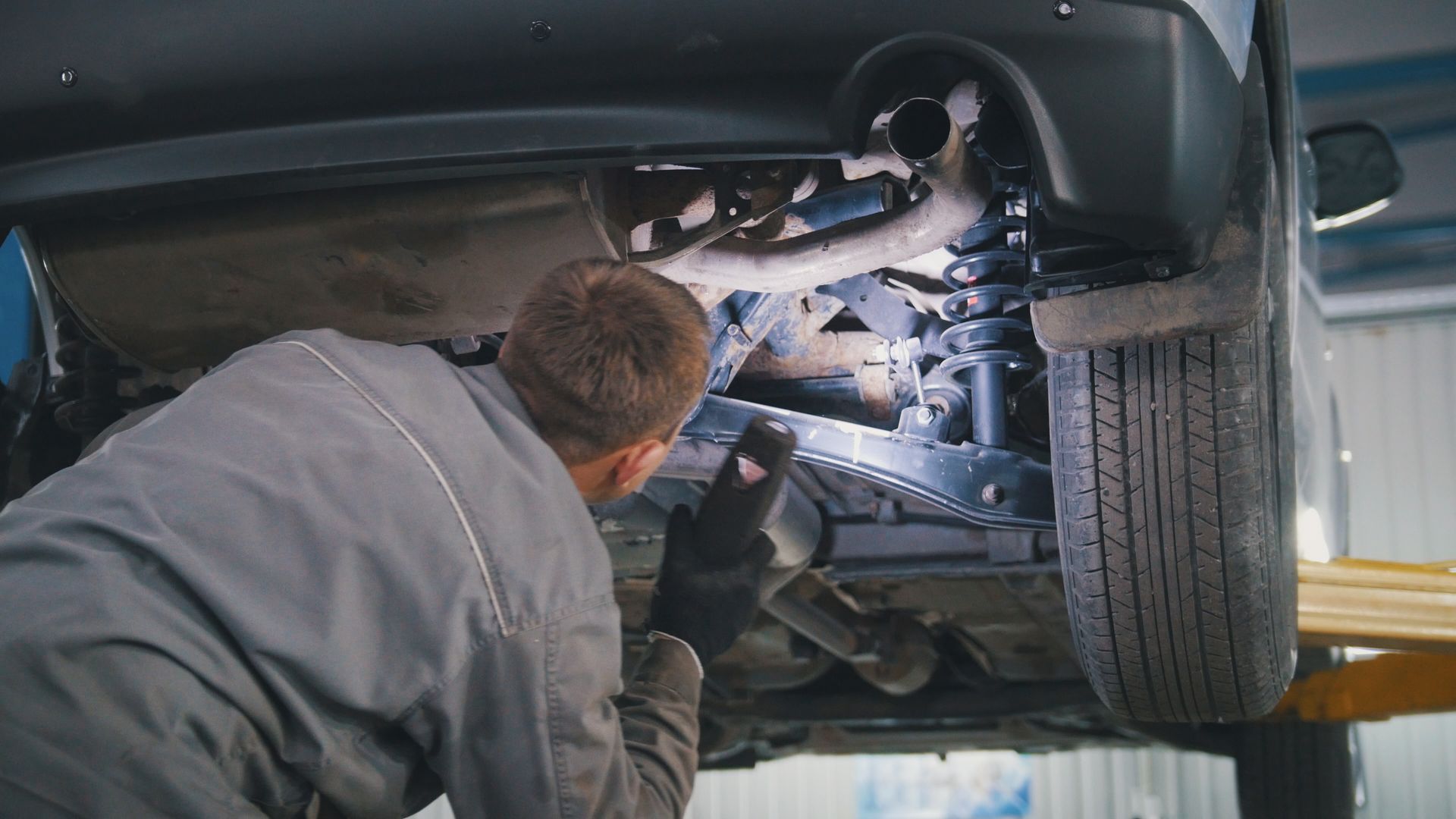
A replacement discussion should begin with an inspection of all four tires, not just the failed one. Measurements and sidewall information establish what you already have. Uneven wear may also indicate an alignment, inflation, or suspension concern that would affect the new tire if left unresolved.
Useful checks include:
- Tread depth and wear pattern on each tire.
- Damage or deterioration that affects continued use.
- The required size and service ratings.
- Construction and performance category across the set.
- Vehicle-specific limits on tire matching or placement.
Those details help distinguish an acceptable alternative from a tire that merely fits the rim.
Choose Tire Replacements For Consistent Vehicle Behavior
Temporary spare use is a separate situation with its own speed and distance limits. It doesn't prove a mismatched tire is suitable for permanent use. Follow the spare instructions and arrange a proper replacement instead of treating a short emergency drive as a long-term compatibility test.
When comparing tire quotes, ask how the proposed replacement matches the remaining set. The technician should be able to explain the specifications and tread measurements, along with any limits from your vehicle's manufacturer. A different brand can work in some situations, but rim fit alone isn't enough to make that decision.
Get Tire Matching Advice In Marietta, Kennesaw, And Woodstock, GA
D.W. Campbell Tire & Service in Marietta, Kennesaw, and Woodstock, GA, can inspect your existing tires and discuss replacement options that fit your vehicle's requirements. We can explain tread measurements, suitable placement, and whether replacing one, two, or four tires is appropriate.
Contact us to schedule a tire inspection and review your replacement options.