Buying new tires sounds simple until you start looking at the options. Sizes, brands, tread patterns, ratings, and pricing can all make the decision feel more complicated than expected. Many drivers end up choosing based on what is available that day, rather than what actually fits their driving needs.
A little planning makes a big difference. The right tires affect how your vehicle handles, how it stops, and how long they last once installed.
Why Tire Size And Fitment Matter First
Before anything else, the correct tire size needs to match your vehicle. That information is usually found on the driver’s door label or in the owner’s manual. It includes width, aspect ratio, and wheel diameter.
Using the wrong size can affect handling, fuel economy, and even the performance of safety systems. It may also lead to uneven wear or clearance issues. Staying within the recommended size range keeps the vehicle performing the way it was designed.
How Driving Habits Affect Tire Choice
Not every driver needs the same type of tire. Daily commuting, highway driving, towing, and off-road use all place different demands on tires.
For example, a driver who spends most of the time on the highway may prioritize ride comfort and tread life. Someone who drives in wet or uneven conditions may need better traction and durability. Matching the tire to the vehicle's use helps avoid premature replacement and poor performance.
The Difference Between All-Season, Summer, And Winter Tires
All-season tires are the most common choice because they offer balanced performance in a variety of conditions. They work well for many drivers but are not specialized for extreme heat or cold.
Summer tires are designed for warmer conditions and offer better grip and handling on dry and wet roads. Winter tires are built for cold temperatures, snow, and ice, where traction becomes more important than tread life.
Choosing the right type depends on climate and driving conditions. In some cases, having a second set of seasonal tires can make a noticeable difference.
Why Tread Pattern And Design Matter
Tread design affects how the tire grips the road, handles water, and wears over time. Deeper grooves help move water away and reduce the chance of hydroplaning, while different patterns affect noise and ride feel.
A tire that looks similar at first glance can perform very differently depending on its tread design. That is why it is worth considering more than just price when comparing options.
How Tire Quality Impacts Long-Term Value
Lower-priced tires may seem like a good deal at first, but they do not always last as long or perform as well. Higher-quality tires often provide better traction, longer tread life, and more consistent performance.
That does not mean the most expensive option is always necessary. The goal is to find a tire that balances cost with durability and performance for your specific driving needs.
What To Know About Tire Age And Storage
Tires do not last forever, even when not driven. Rubber breaks down over time, which affects grip and safety. Checking the manufacturing date helps ensure the tires are not already aged before installation.
Proper storage also matters. Tires stored in poor conditions can degrade more quickly, reducing their lifespan once installed on the vehicle.
Why Installation And Balancing Are Just As Important
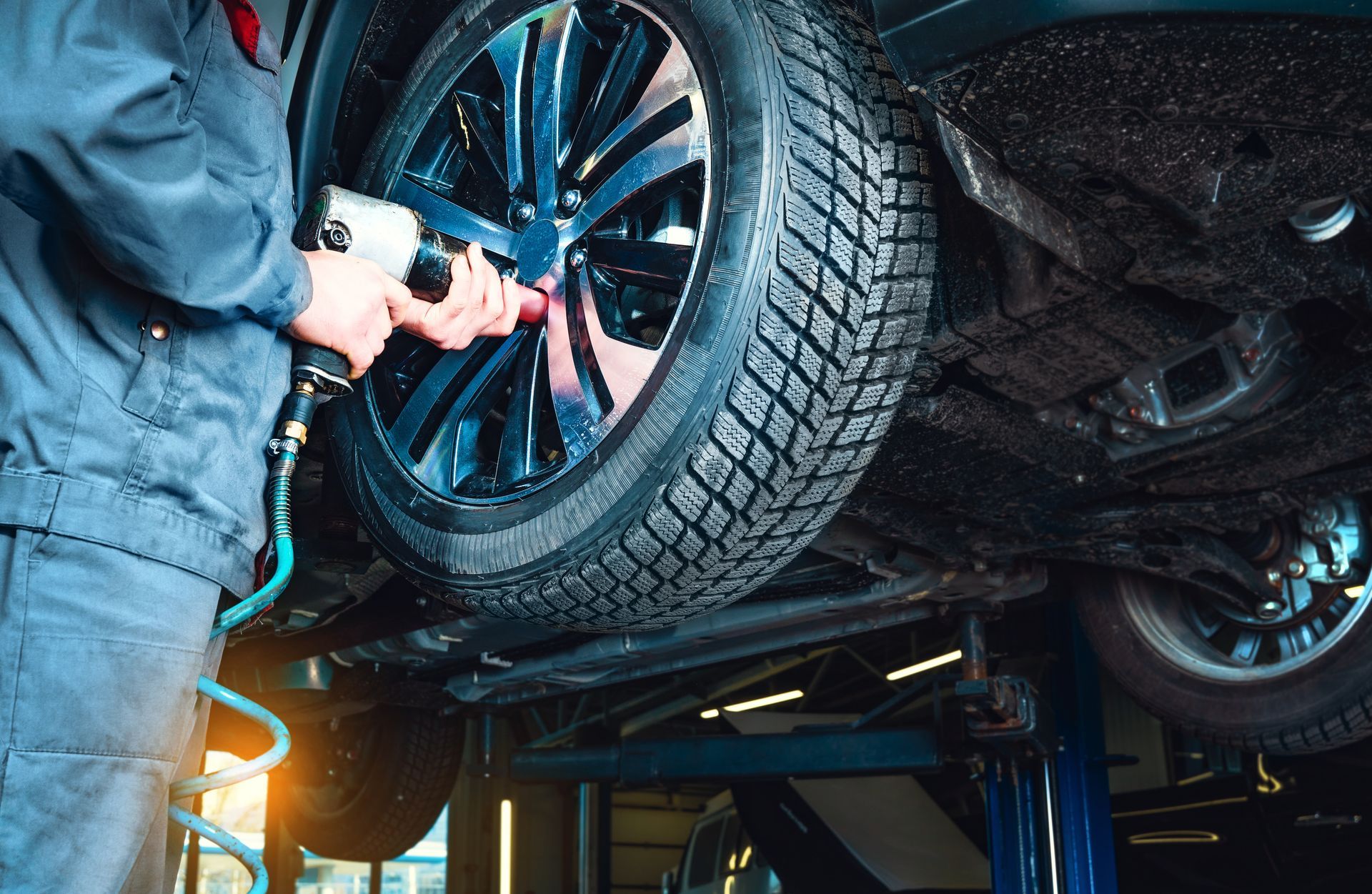
Even the best tires will not perform correctly if they are not installed and balanced properly. Improper installation can lead to vibration, uneven wear, and handling issues.
Balancing ensures the weight is evenly distributed across the tire and wheel. That helps provide a more stable and comfortable ride and prevents premature wear.
Regular maintenance also plays a role after installation. Tire rotation and inspection help extend tire life and keep wear patterns even across all four tires.
When It Is Time To Replace Tires
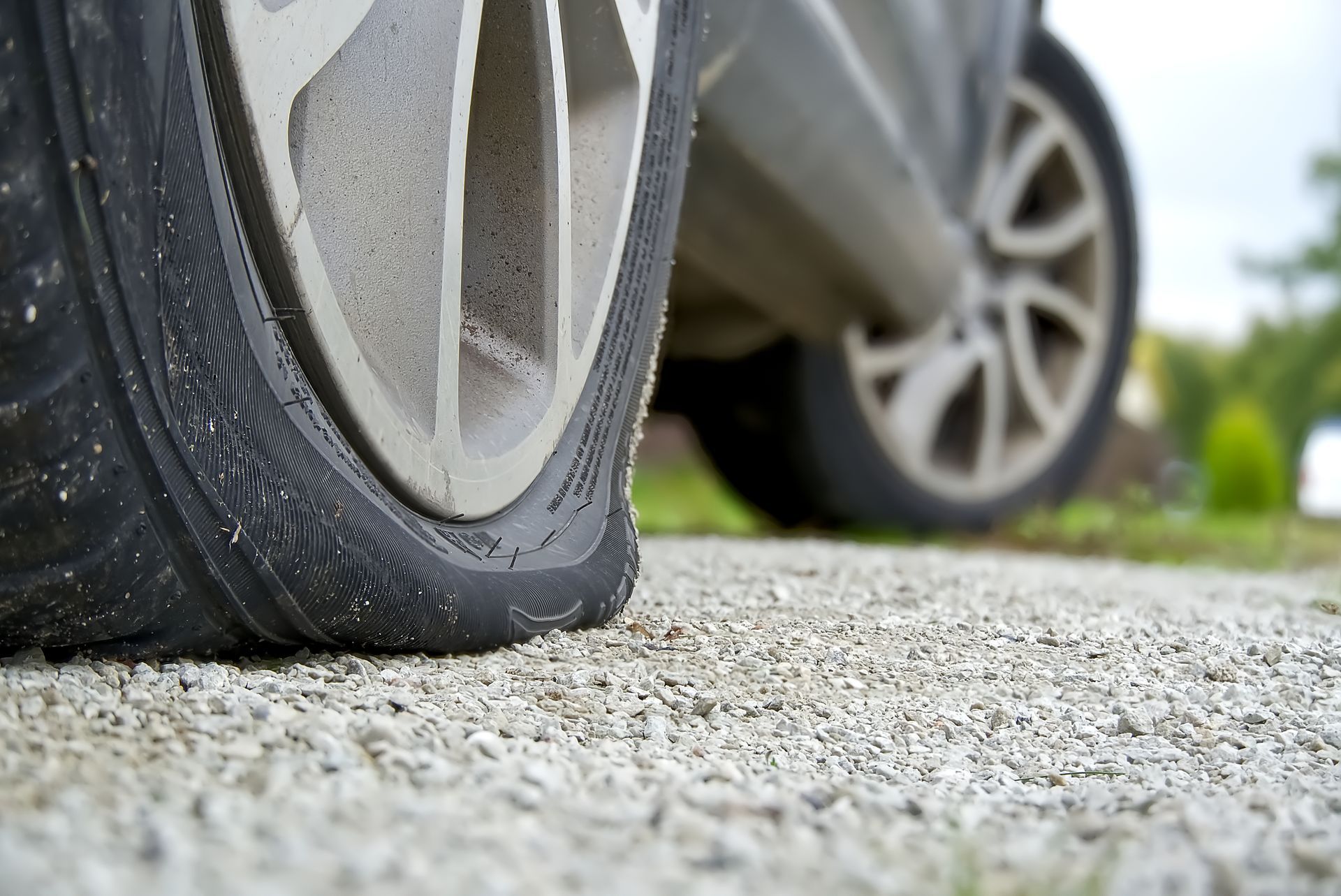
Tread depth is one of the clearest indicators. Worn tread reduces traction, especially in wet conditions. Uneven wear, sidewall damage, or repeated air loss are also signs that replacement is needed.
Waiting too long increases the risk of reduced control and longer stopping distances. Replacing tires at the right time helps maintain safety and performance.
Get Tire Service In Marietta, Kennesaw & Woodstock, GA, With D.W. Campbell Tire & Service
If you are getting ready to buy new tires, D.W. Campbell Tire & Service in Marietta, Kennesaw, and Woodstock, GA, can help you sort through the options and choose a set that fits your vehicle and your driving habits.
The right tire choice now can pay off in safety, comfort, and tread life later.