Dashboard warning lights are designed to get your attention, but not every light means the same thing. A yellow warning usually means the vehicle has detected a problem that needs service soon. A red warning is more serious and can mean you should stop before damage or a safety problem gets worse.
The color gives you a quick sense of urgency, but the symbol and the way the vehicle is behaving matter just as much. A red oil pressure light is very different from a red seat belt reminder. The safest approach is to know which warnings mean pull over now and which ones allow you to drive carefully to a repair shop.
Red Oil Pressure Light Means Shut the Engine Off
A red oil pressure warning means the engine may not be building enough pressure to circulate oil through bearings, camshafts, timing components, and other moving parts.
If that light stays on while the engine is running, pull over safely and shut the engine off. Check the oil level only after the vehicle is parked on level ground and the engine has sat for a few minutes. Even if the level is full, don't assume the warning is just a bad sensor. A failing oil pump, internal wear, or restricted oil pickup can cause real pressure loss and serious engine damage.
A Red Temperature Warning Means the Engine Is Too Hot
A red coolant temperature light or temperature gauge in the hot zone means the engine is overheating. Continuing to drive can damage the head gasket, cylinder head, and other internal engine parts.
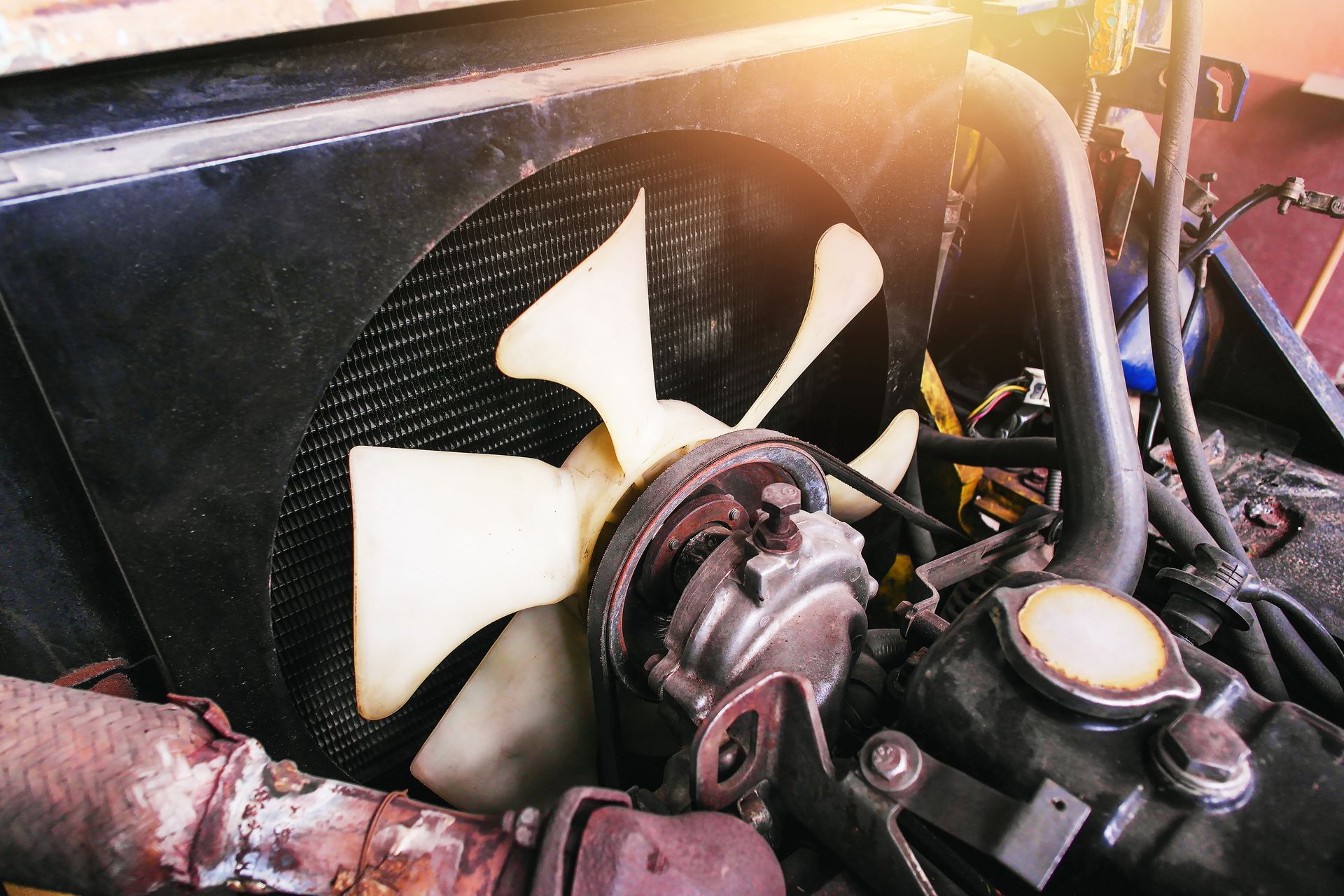
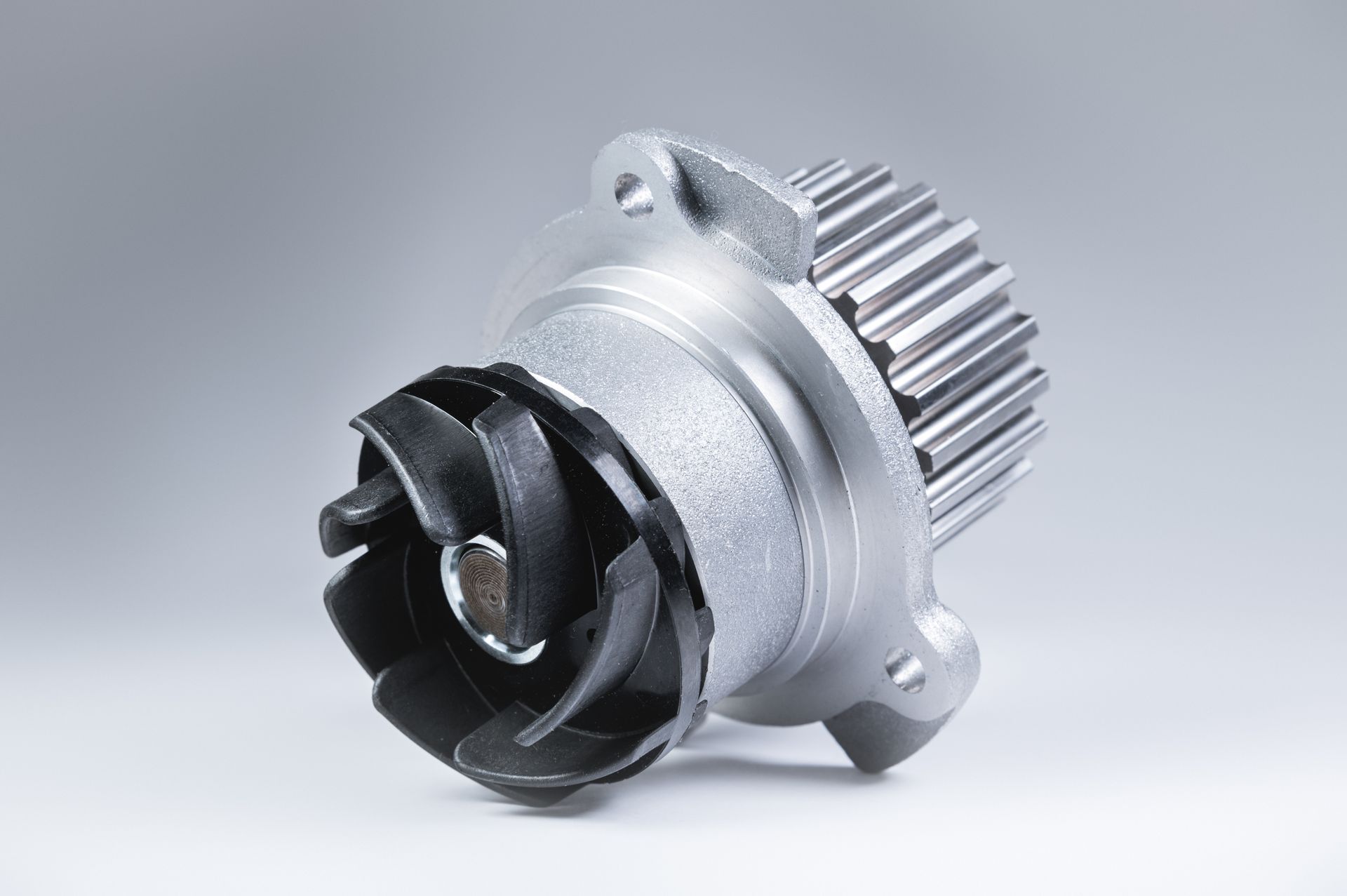
Turn off the engine once you reach a safe location. Do not open the radiator or coolant reservoir cap while the system is hot because pressurized coolant can cause severe burns. At our shop, we look for coolant leaks, thermostat problems, cooling fan faults, water pump issues, and other causes before the vehicle goes back on the road.
Red Brake Warnings Need Immediate Attention
A red brake warning light can come on for something simple, such as leaving the parking brake on, but it can also indicate low brake fluid or a hydraulic brake system problem.
If the parking brake is fully released and the red light stays on, pay attention to the pedal. A soft pedal, excessive travel, pulling, poor stopping, or visible fluid leakage means you should not drive the vehicle. During an inspection, we check the fluid level, brake lines, hoses, calipers, wheel cylinders (where equipped), and the master cylinder before deciding the car is safe.
A Yellow Check Engine Light Usually Gives You More Time
A steady yellow check engine light often means the engine computer has detected a fault that does not require an immediate shutdown. The vehicle may still run normally while storing a code for an emissions, sensor, fuel, ignition, or airflow problem.
That changes if the check engine light starts flashing. A flashing light often points to a severe misfire that can send unburned fuel into the catalytic converter and overheat it. If the engine is shaking, losing power, or the light is flashing continuously, stop driving and have the vehicle checked rather than trying to finish the trip.
Yellow ABS and Traction Control Lights Mean a Safety System May Be Disabled
A yellow ABS warning usually means the anti-lock braking system has detected a fault. The basic hydraulic brakes can still work normally, but ABS may not be available during a hard stop.
Traction control and stability control warnings can appear at the same time because those systems share wheel-speed information. A damaged sensor, bad wheel bearing, wiring problem, or low voltage can trigger several lights at once. If the brake pedal still feels normal, you can generally drive carefully to have the system diagnosed, but you should not ignore the warning for weeks.
Some Yellow Lights Mean Check the Vehicle Soon
Yellow tire pressure, maintenance, engine, and system warnings usually give you time to assess the situation. They are not allowed to forget about the problem.
Common yellow warnings include:
- Low tire pressure
- Check engine light
- ABS warning
- Traction control fault
- Maintenance reminder
- Low washer fluid
- Certain lighting faults
- Some power steering warnings
The symbol matters. A low tire pressure warning deserves quicker attention if one tire is visibly low, while a maintenance reminder can usually wait until the next scheduled service. Regular maintenance helps reduce unexpected warnings.
The Vehicle's Behavior Can Override the Color
A yellow light can still become urgent if the vehicle suddenly behaves badly. If a yellow warning appears with heavy steering, severe vibration, loss of power, smoke, overheating, or poor braking, stop driving even though the light itself is not red.
The opposite is also true for some red indicators. A red seat belt or door-open warning does not mean the engine is failing. What matters is understanding what system the symbol represents and whether the vehicle remains safe to control.
Get Dashboard Warning Light Diagnosis In Georgia, With D.W. Campbell Tire & Service
If a red or yellow warning light comes on and you are not sure whether it is safe to keep driving, D.W. Campbell Tire & Service can diagnose the problem at its Marietta, Kennesaw, and Woodstock, Georgia locations.