A car can feel perfectly normal and still have wear building in places you cannot see from the driver’s seat. It starts every morning, brakes without drama, and handles the daily commute without making a big complaint. That is exactly why many drivers skip a yearly check.
The problem is that cars are good at hiding early issues. Tires wear slowly. Fluids break down over time. Batteries lose strength before they fail. A yearly inspection gives you a clearer picture of the vehicle before a small problem turns into the reason your schedule gets interrupted.
Small Problems Can Hide Behind Normal Driving
Drivers get used to their own vehicles. A little extra vibration, a slightly longer start, or a faint noise over bumps can blend into the background because the change happens slowly. By the time the symptom feels obvious, the part may have been wearing for months.
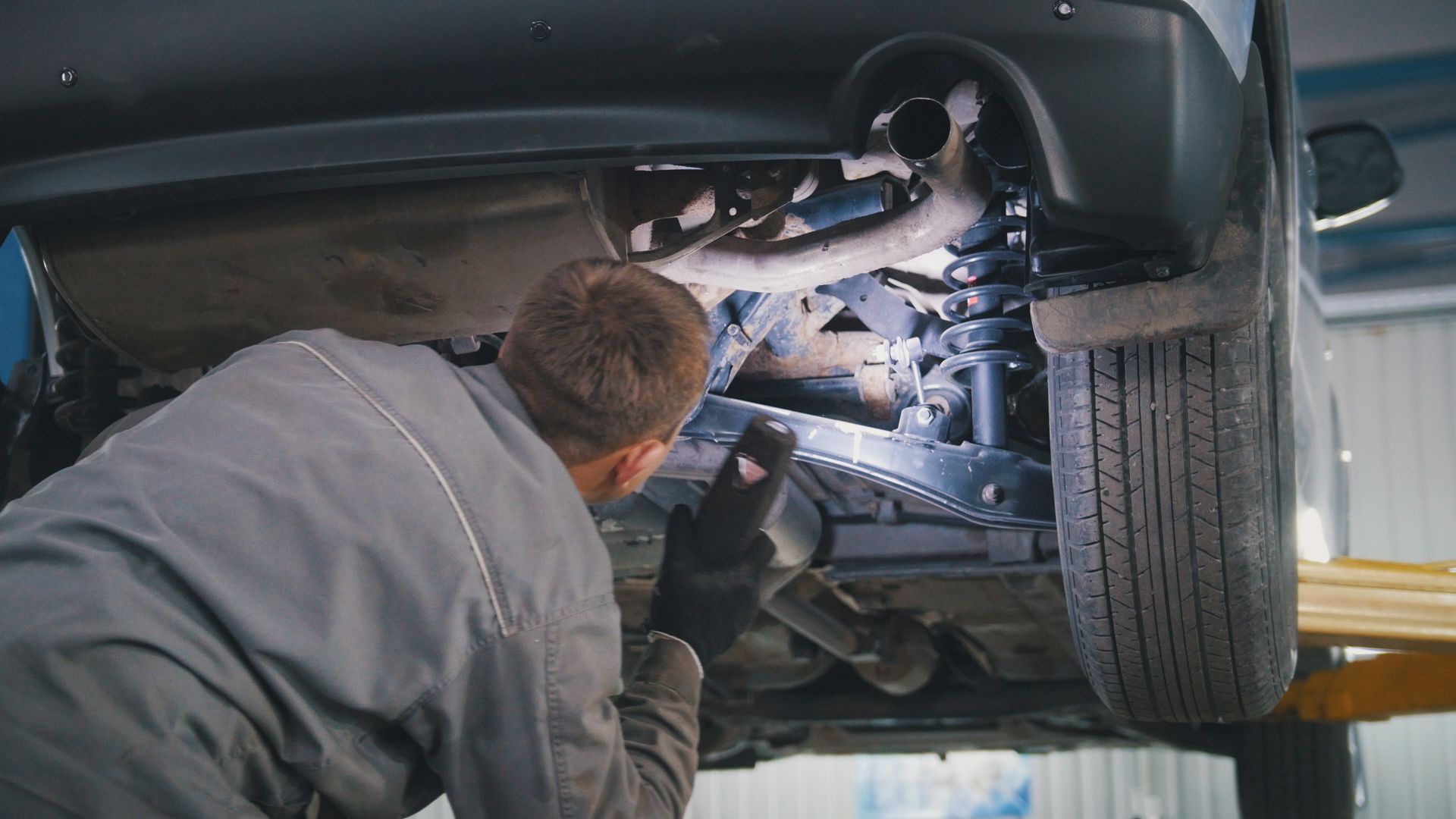
A yearly check helps catch those quiet changes. The vehicle does not need to feel broken before it deserves attention. Looking underneath, checking fluid levels, testing the battery, and inspecting wear items can reveal problems that have not yet become obvious from behind the wheel.
Tires And Brakes Tell A Clear Story
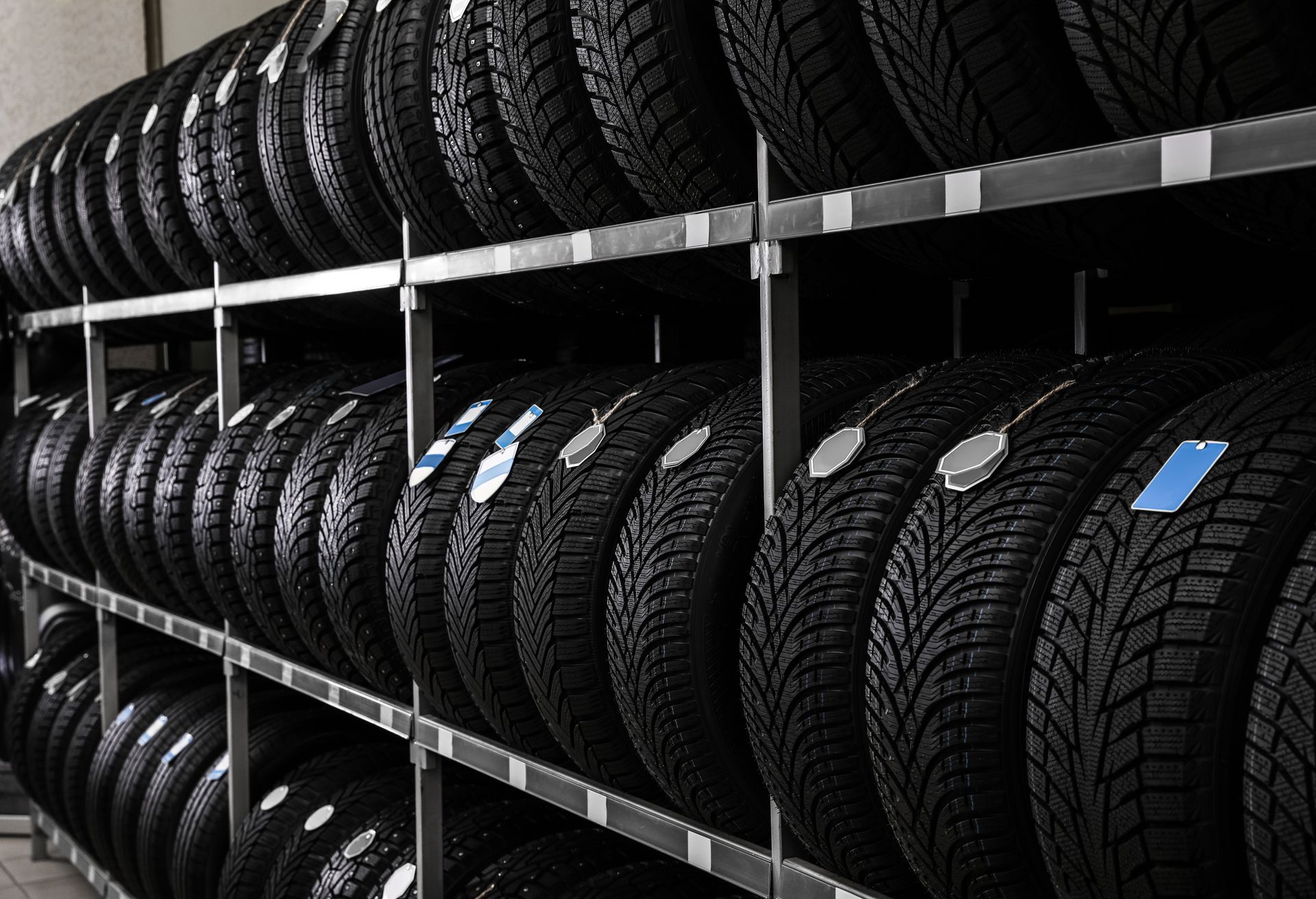
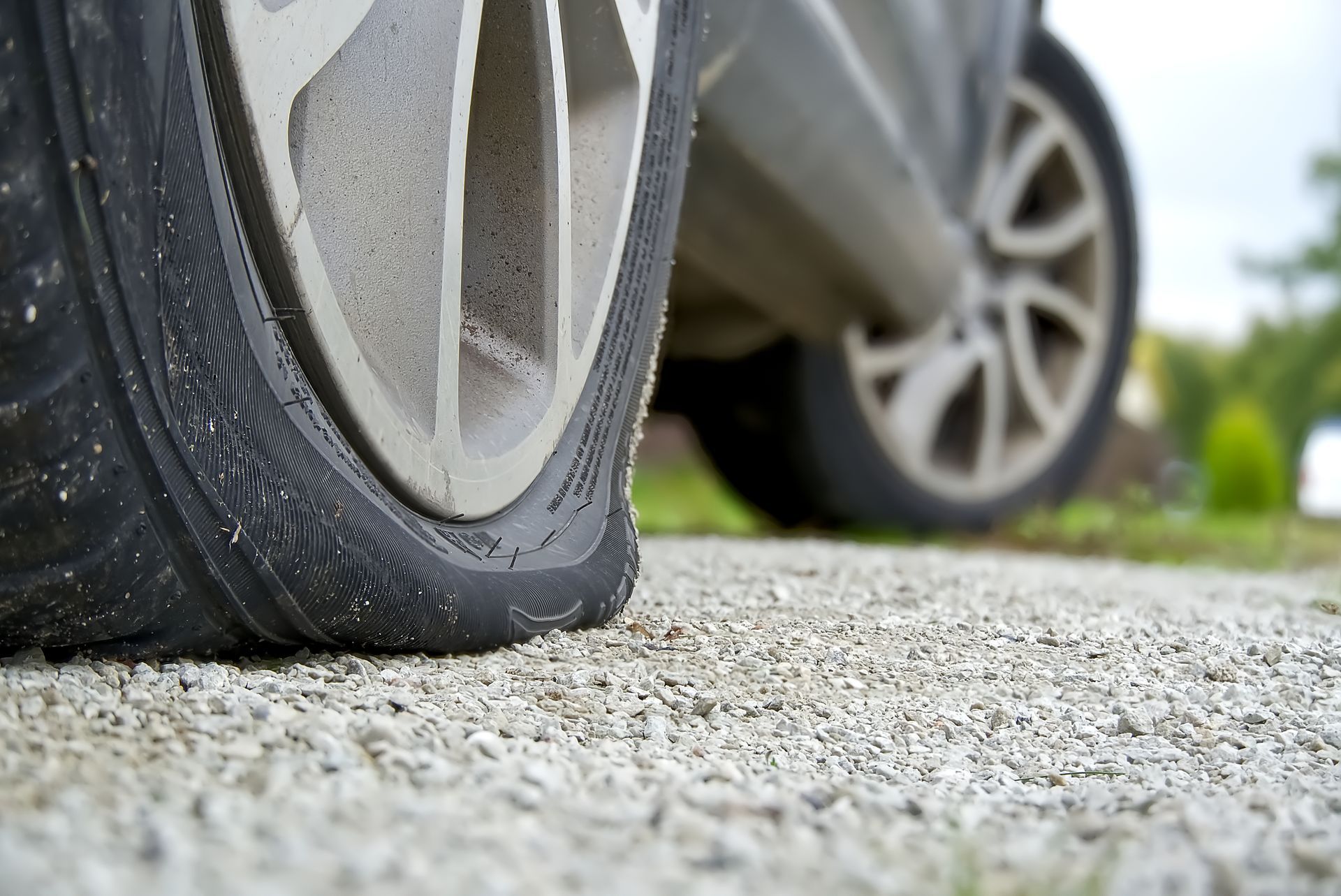
Tires and brakes are two of the most important areas to check once a year. Tire tread depth, pressure, cracking, age, and uneven wear can all indicate the car’s condition. A tire wearing on one edge can point toward alignment trouble, worn suspension parts, or low pressure.
Brakes can also wear unevenly without making much noise at first. Pads, rotors, calipers, hoses, and brake fluid all affect how safely the vehicle stops. A yearly brake check can spot thin pads, rusted hardware, leaks, or uneven rotor wear before the pedal feels changes or grinding starts.
Fluids Show What Is Happening Inside
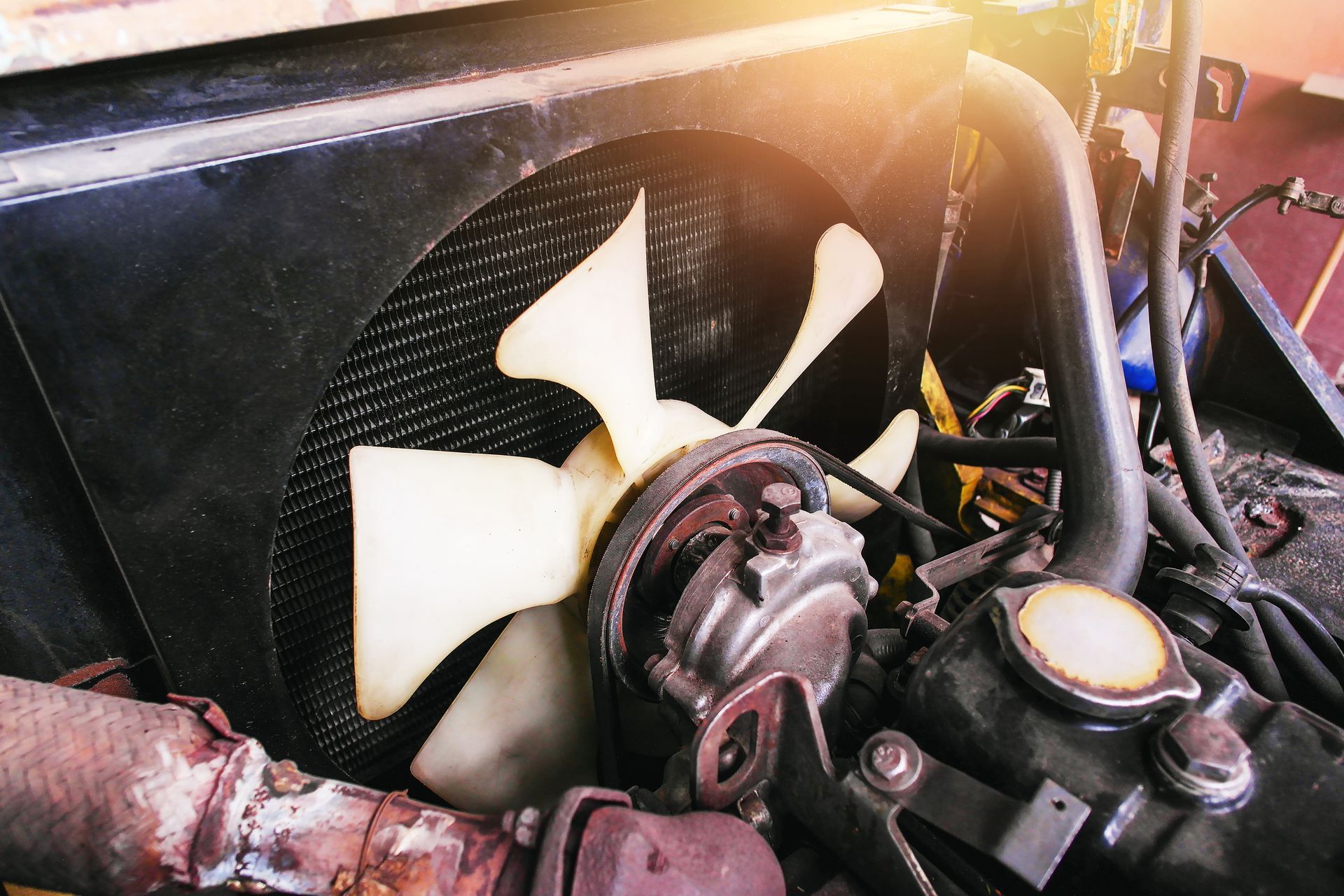
Fluids protect expensive systems, and they do not stay fresh forever. Engine oil, coolant, brake fluid, transmission fluid, power steering fluid, and differential fluid all handle heat, pressure, contamination, and time. Low or dirty fluid can point toward leaks, overdue service, or internal wear.
Coolant is especially important because a small leak can lead to overheating. Brake fluid can absorb moisture as it ages. Transmission fluid condition can help explain shifting changes before they get worse. Regular maintenance works best when the fluid condition is checked before warning lights or performance problems show up.
Battery And Charging Checks Prevent Surprise No-Starts
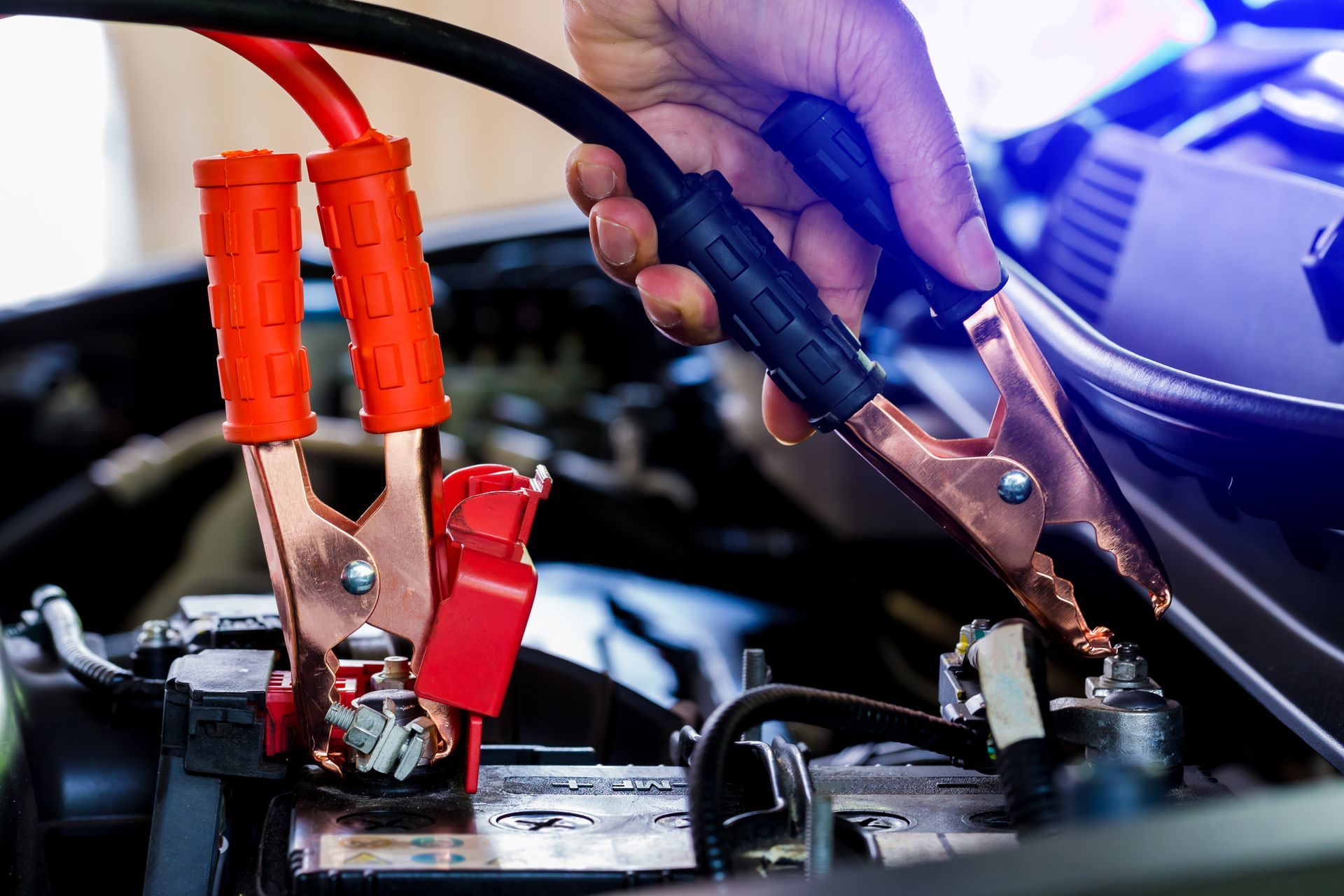
A weak battery can still start the car today and fail tomorrow. That is what makes battery problems frustrating. Heat, short trips, age, corrosion, and long periods of sitting can all shorten battery life.
A yearly inspection should include battery testing, terminal checks, cable condition, and charging system output. The alternator also needs to be doing its job. If the battery is weak or the charging system is falling behind, you are better off finding out in the shop than in a parking lot after work.
Suspension And Steering Wear Build Slowly
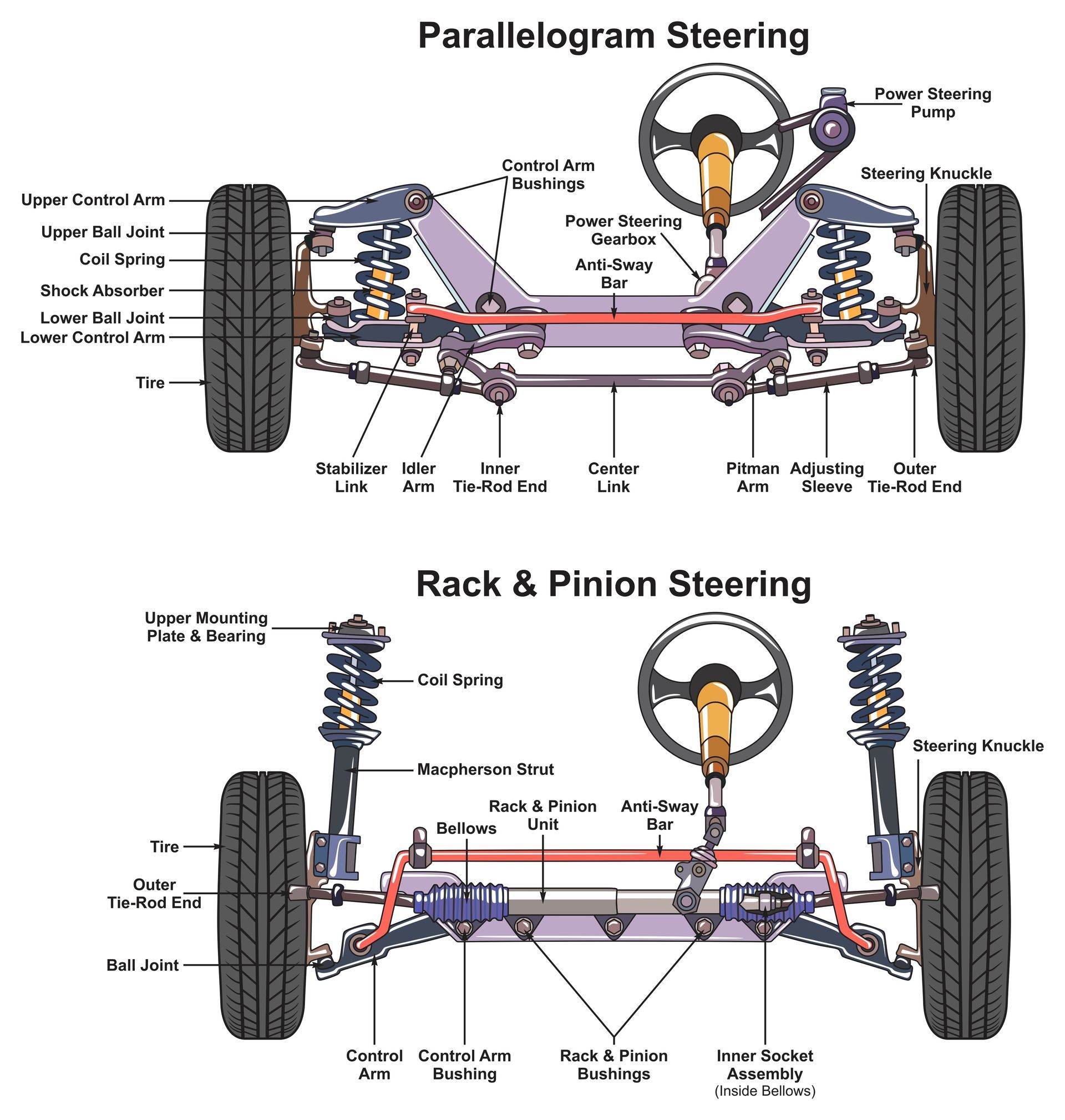
Suspension and steering parts do not always fail simultaneously. Bushings, ball joints, tie rods, shocks, struts, and wheel bearings can wear little by little. The car may still drive straight enough, but the tires might start wearing unevenly, or the steering may feel less tight than it used to.
A yearly check can catch looseness, leaks, clunks, and wear before the vehicle starts feeling unsafe or starts damaging tires. That is especially useful if you drive on rough roads, hit potholes, or notice the steering wheel sits slightly off-center.
Warning Lights Are Not The Only Reason To Check A Car
Many drivers wait for a warning light before scheduling service. That makes sense on the surface, but not every problem triggers a light early. Mechanical wear, tire problems, brake wear, leaks, belt cracks, hose weakness, and suspension looseness can all develop without the dashboard saying anything.
Warning lights are helpful, but they are not a full maintenance plan. A physical check still matters because technicians can see, hear, smell, and measure things that the computer does not always report. That combination gives you a better understanding of the car’s real condition.
A Yearly Check Helps You Plan Instead Of React
One of the biggest benefits of an annual inspection is planning. If a technician finds tires that are getting close, brakes that have limited life left, or a small leak starting, you can decide when and how to handle it. That is much easier than waiting until something fails at the worst time.
A yearly check also helps you track patterns. If one tire is wearing out faster, one fluid level is dropping, or one noise is getting louder, that history matters. Good service is not only about fixing what broke today. It is about helping the vehicle stay dependable through the next year of driving.
Get a Car Inspection In Georgia, With D.W. Campbell Tire & Service
D.W. Campbell Tire & Service can help drivers in Marietta, GA, Kennesaw, GA, and Woodstock, GA, check tires, brakes, fluids, batteries, suspension, steering, and other key systems once a year.