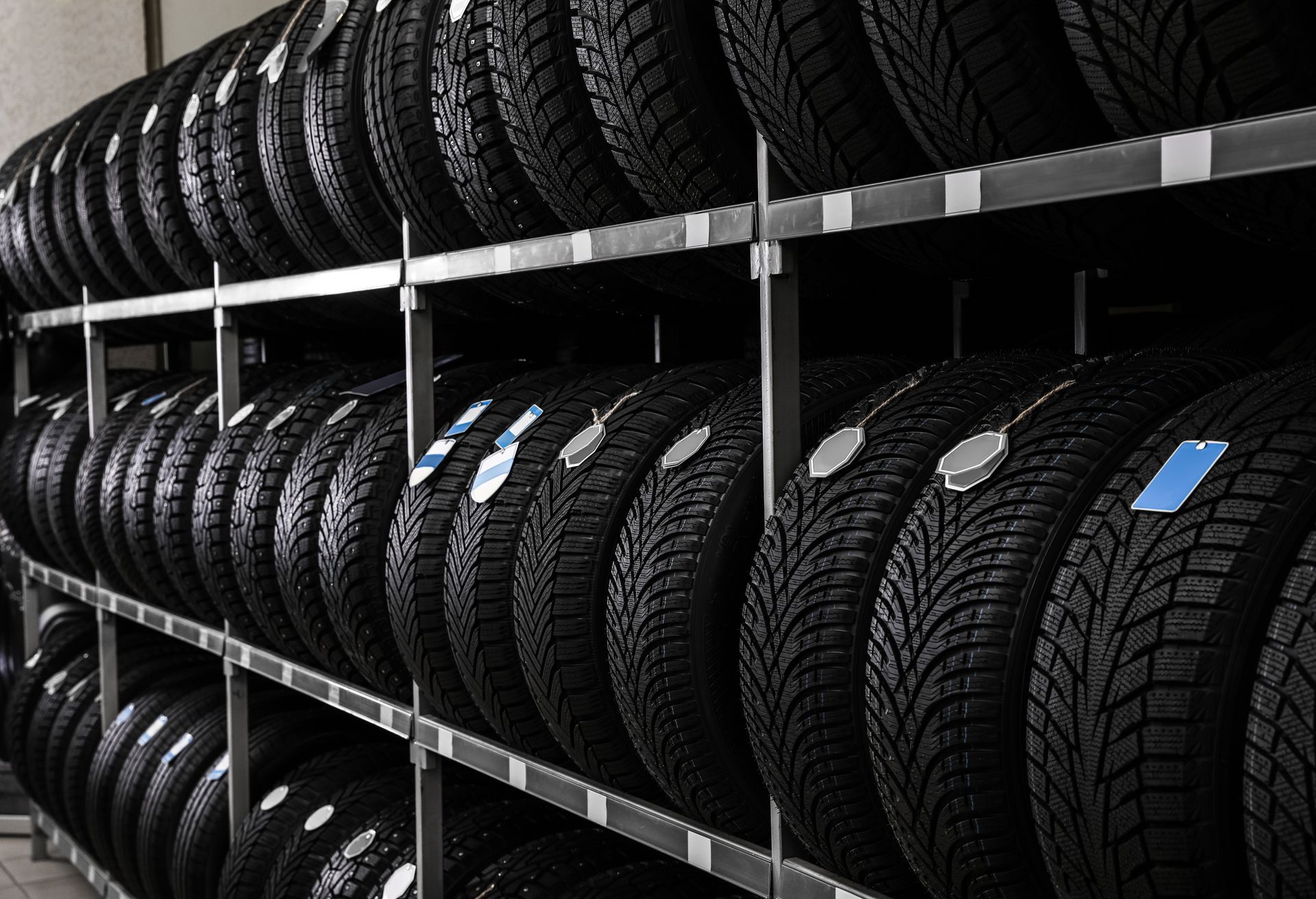
Tire rotation is one of those services that sounds optional until you see how uneven wear can ruin a set of otherwise good tires. Many drivers remember to check pressures and maybe alignment, but forget that rotating tires spreads the workload around the vehicle. Over time, each position wears the tread in a slightly different way.
Moving the tires on a regular schedule keeps that wear balanced and helps prevent early replacement.
Why Tire Rotation Matters for Even Wear
Front and rear tires do very different jobs. The front set handles most of the steering and a large share of the braking, while the rears mainly follow along and keep the car stable. On front-wheel-drive vehicles, the front tires also provide most of the traction, which makes them wear faster. If you leave every tire in the same spot for years, the fronts will usually be worn out long before the rears.
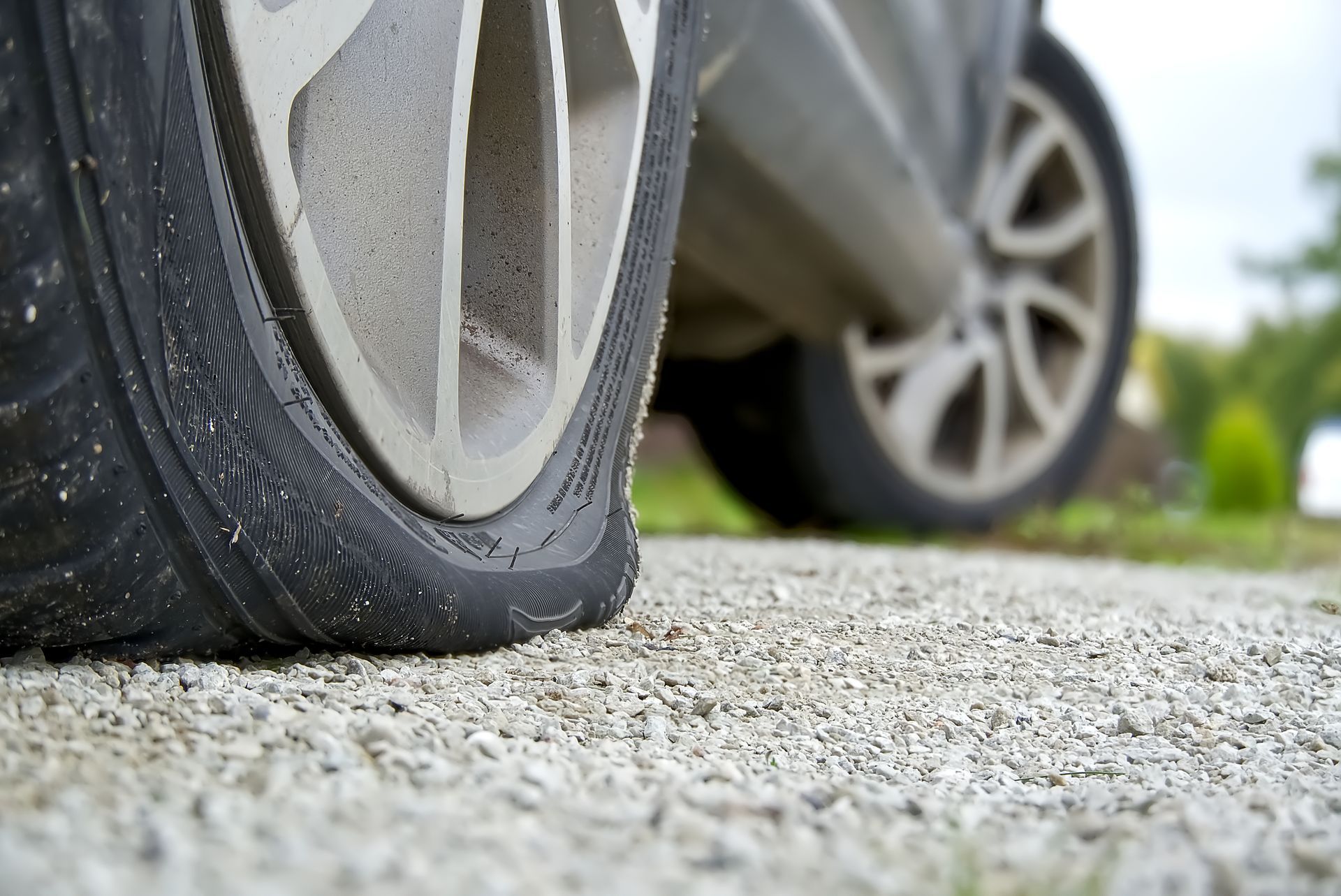
By rotating tires, you let each one spend time in the positions that wear the tread differently. Over the life of the set, that evens out the wear so they reach the end of their useful tread depth around the same time. It also helps prevent patterns like cupping, feathering, or shoulder wear from becoming severe on just one corner.
Typical Rotation Intervals That Work in the Real World
There is no single mileage number that fits everyone, but there are good general guidelines. A practical approach for most drivers is:
- Rotate tires about every 5,000 to 8,000 miles
- Or rotate them at every oil change. That service usually aligns with the tire rotation interval.
- Rotate a little sooner if you notice early signs of uneven wear or feel a new vibration
- Stick to a regular pattern, such as front to rear swapping, unless your vehicle needs a special layout
If your vehicle has different size tires front and rear or directional tread patterns, we adjust the rotation pattern to match what the manufacturer allows. The goal is always the same: keep wear as even as possible across all four corners.
Driving and Load Conditions That Call for More Frequent Rotation
Some vehicles and driving styles are harder on tires than others. You may benefit from shorter rotation intervals if:
- You drive mostly in city traffic with lots of turns and stop-and-go braking
- The vehicle is frequently loaded with passengers, cargo, or towing weight
- You make a lot of highway trips at higher speeds where small imbalances show up
- You notice the front tires wearing faster or more unevenly than the rear
- Your routes include rough, patched, or potholed roads on a regular basis
In these situations, rotating tires closer to every 4,000 to 5,000 miles can pay off in longer tread life and a smoother ride.
What Uneven Wear Looks and Feels Like
You do not need special tools to spot early uneven wear. A basic visual and feel check goes a long way. With the wheels turned slightly, look across the tread from inside edge to outside edge. You might see:
- One edge wearing faster than the other
- Small scallops or “cups” along the tread blocks
- A smooth pattern in one direction and sharp edges in the other when you run your hand across
On the road, uneven wear often shows up as humming or droning noises at certain speeds, or a slight vibration that was not there when the tires were new. Rotating on schedule helps prevent these patterns from becoming deep enough to cause noise and comfort issues.
Why Rotation Should Be Paired with Inspection and Alignment
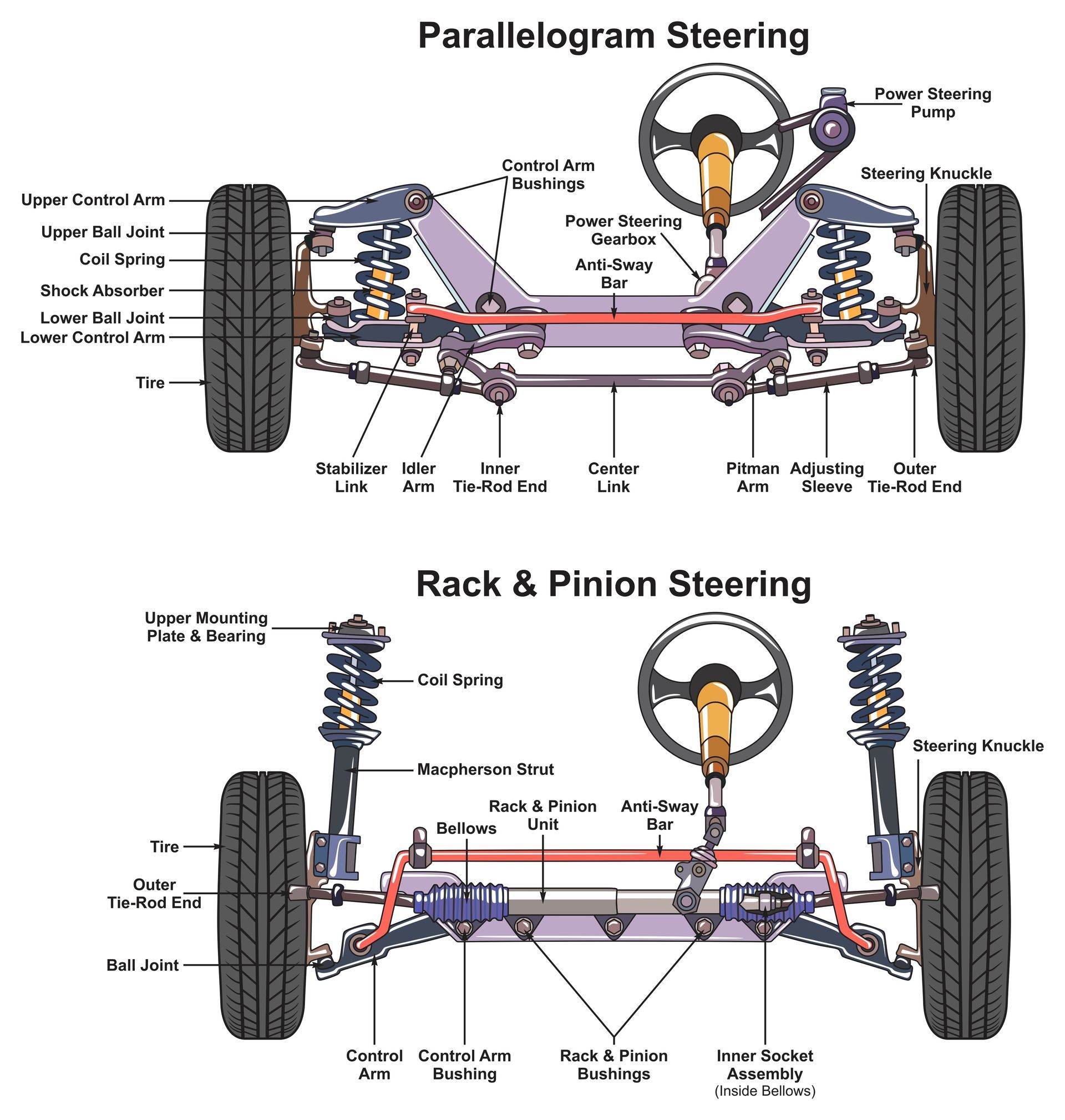
Every tire rotation is a chance to catch other problems early. When we rotate tires, we also check tread depth across the surface, inspect for damage, and look at wear patterns that might point to alignment or suspension issues. If we see the same edge wear returning quickly after a recent alignment, for example, that suggests a worn component that needs attention.
Keeping alignment in spec and suspension parts in good shape gives rotation a chance to do its job. Without that, you can move the tires around perfectly and still end up with the same uneven wear showing up in new places. Combining rotation, alignment checks, and suspension inspections is the best way to protect your tire investment.
Get Tire Rotation Service in Marietta, Kennesaw, and Woodstock, GA, with D.W. Campbell Tire & Service
We can set up a rotation schedule that fits your driving pattern, check for early uneven wear, and recommend alignment or suspension work when it is needed. We want your tires to wear evenly, ride smoothly, and last as long as they were designed to.
Call D.W. Campbell Tire & Service in Marietta, Kennesaw, and Woodstock, GA, to schedule a tire rotation and keep your tread wearing the right way.
Cobb Pkwy
1930 Cobb Parkway Southeast, Marietta, Georgia 30060
Powers Ferry
1291 Powers Ferry Road Southeast, Marietta, Georgia 30067
Professional Way
1906 Professional Parkway, Woodstock, Georgia 30188
Busbee Pkwy
2970 George Busbee Parkway Northwest, Kennesaw, Georgia 30144
Canton Rd
3330 Canton Road, Marietta, Georgia 30066